Are you using organizational culture as the critical factor to improve your business performance?
Get the diagnosis and treatment you need to build an organization your employees can be proud of.
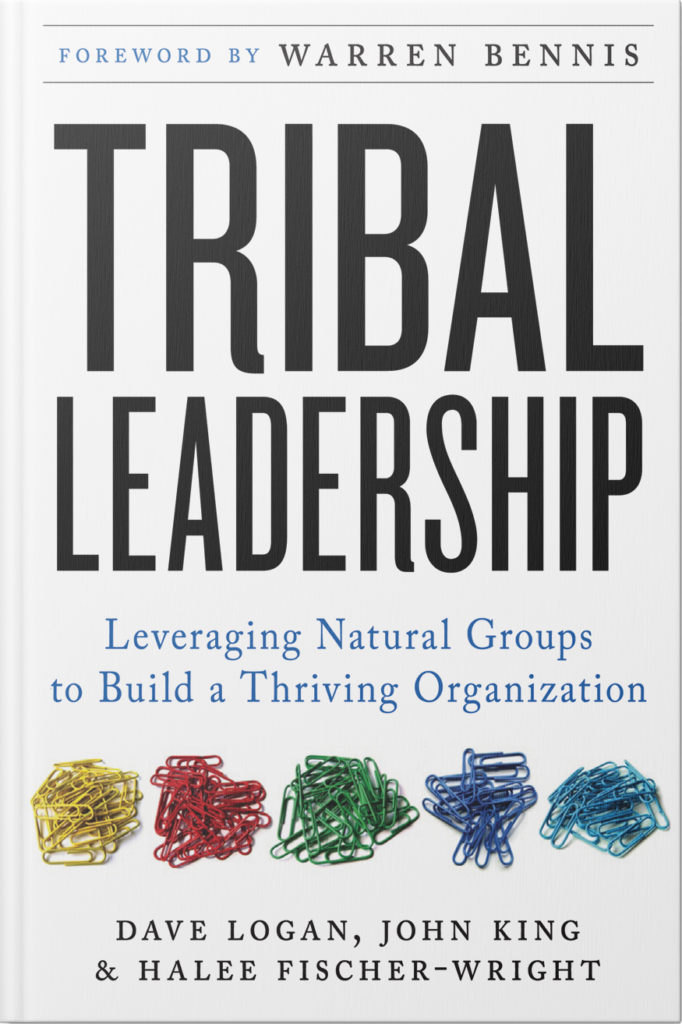
Join the 213,000+ who've read the book.







You know your company's culture is valuable

But can you define it, measure it, or change it? For many leaders, culture is important, but it just doesn’t seem tangible. It’s not something you can hold in your hand.
In the New York Times #1 bestseller Tribal Leadership, you’ll learn how culture is tied to every aspect of your business. And then, you’ll learn how to upgrade it in your organization.
Through a 10-year study of 24,000 people in more than 2 dozen organizations, Dave Logan, John King, and Halee Fischer-Wright discovered a common theme:
The success of a company depends on its tribes. The strength of its tribes is determined by the tribal culture, and a thriving corporate culture can only be established by an effective tribal leader.
Leave your frustrations about work at the door
Read the book and learn how to inspire creativity, innovation, and pride at all levels of your business.
Where does your company score on the Culture Meter?
-
STAGE ONE
These are tribes whose members are despairingly hostile—they may create scandals, steal from the company, or even threaten violence.
-
STAGE TWO
The dominant culture for 25% of workplace tribes, this stage includes members who are passively antagonistic, sarcastic, and resistant to new management initiatives.
-
STAGE THREE
49% of workplace tribes are in this stage, filled with knowledge hoarders who want to outwork and outthink their competitors on an individual basis. Each employee is a lone warrior.
-
STAGE FOUR
The transition from “I’m great” to “we’re great” comes in this stage where the tribe members are excited to work together for the benefit of the entire company.
-
STAGE FIVE
Less than 2% of workplace tribal culture is in this stage—where members who have made substantial innovations seek to use their potential to make a global impact.
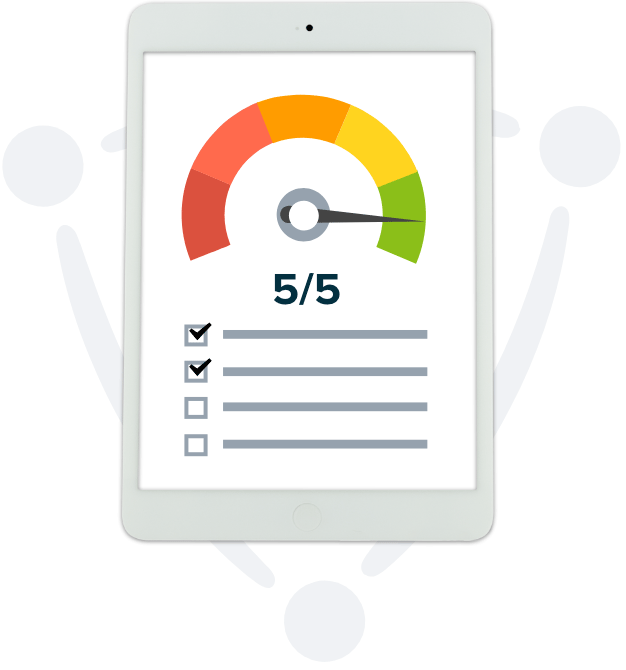
Are you in the top 2%? Find out now by taking the Culture Meter quiz.

Work with us to apply Tribal Leadership to your organization
Learn how you can integrate the principles of Tribal Leadership in your work, in your business, and in your company culture.
We’re on a mission to help your organization excel at performance while being a great place to work. Find out how working with CultureSync enables you to synchronize your culture with your strategy, structure, and processes.
Buy the Book
Tools that help you get to the heart of your company’s culture
Get access to free resources that show you how you can better understand your organization's culture to improve overall performance.